
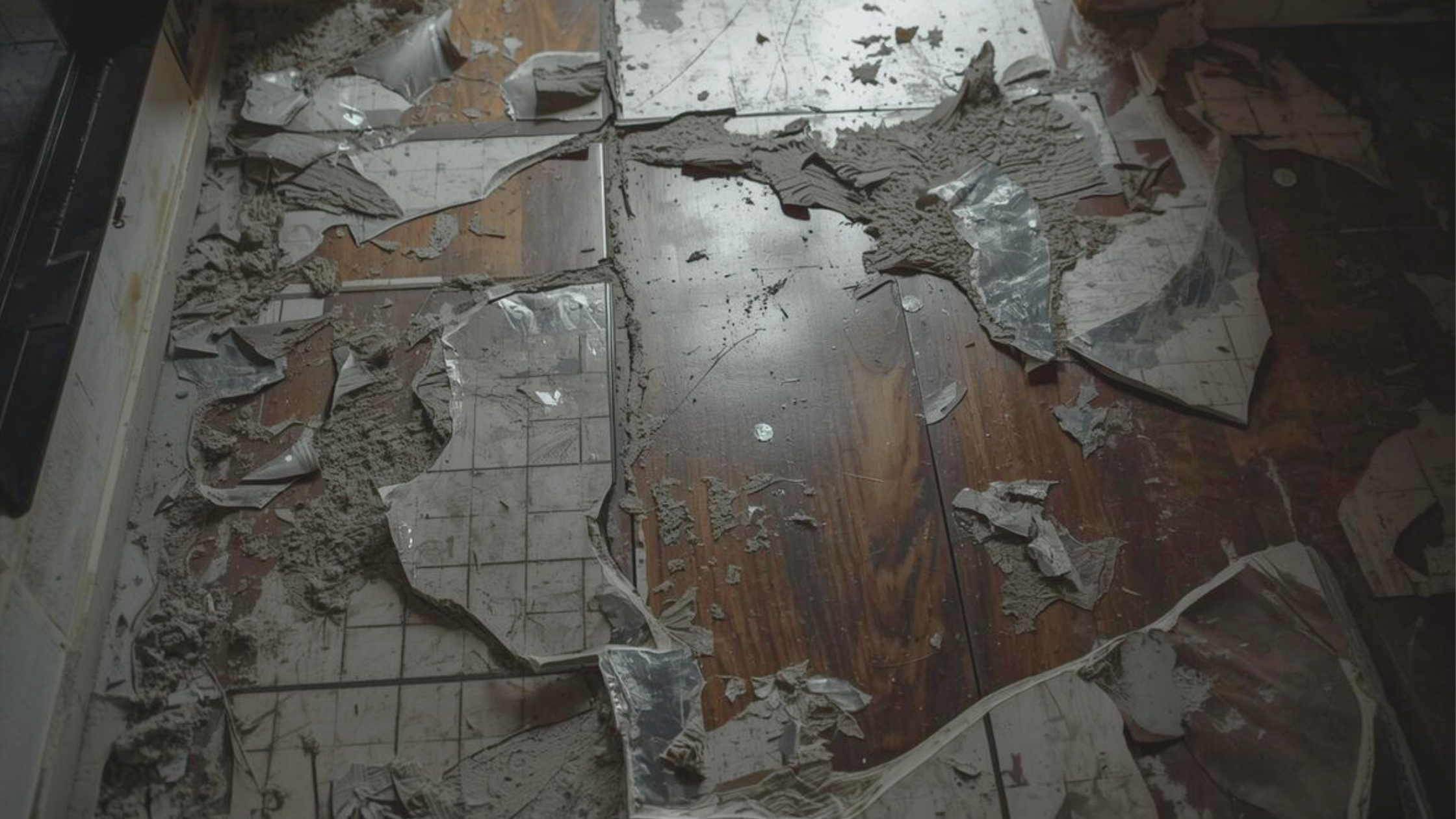
Mobile home floor repair is one of the most common and important maintenance tasks for manufactured and trailer homes. Due to moisture exposure, aging materials, and design structure, many mobile homes eventually develop soft spots, sagging floors, or damaged subfloors. Whether you’re dealing with water leaks, holes, or rotting wood, learning the basics of fixing mobile home floors can save you thousands in contractor fees.
This guide walks you through why damage happens, how to assess the problem, which materials to use, and a step-by-step process for DIY floor repair—including what to know about mobile home subfloor repair, trailer home floor repair, and replacing subfloor in mobile home units safely and correctly.
Why Mobile Home Floors Get Damaged
Mobile homes are constructed differently from site-built homes. They usually use:
- Particleboard or OSB subfloors
- Lightweight framing
- Underbelly insulation
- Water-prone areas (bathrooms, kitchens, laundry rooms)
Common causes of floor damage include:
1. Water Leaks. Leaks from sinks, toilets, tubs, washing machines, or roof seams can penetrate the subfloor and cause rotting.
2. Age and Wear. Over time, flooring weakens from foot traffic, humidity, or mildew.
3. Poor Ventilation. Mobile homes with inadequate underfloor ventilation accumulate moisture, weakening the structure.
4. Plumbing Issues. Hidden plumbing leaks can destroy subflooring before you even notice.
5. Insects or Pests. Certain pests chew through flooring material and insulation.
If you own a manufactured home, then regular inspection is essential—especially in kitchens and bathrooms.
Signs You Need Mobile Home Floor Repair
Before starting a project, identify the symptoms of floor damage:
- Soft, bouncy, or spongey spots
- Floors sagging or dipping in specific areas
- Linoleum showing bumps or sinking areas
- Cracked tiles due to movement underneath
- Musty or mildew smell
- Visible mold
- Floors that feel uneven
- Water damage around toilets, sinks, or bathtubs
- Holes developing in the floor
If several signs appear, you likely need mobile home subfloor repair or even full replacement.
Tools & Materials Needed for Mobile Home Floor Repair
Tools
- Pry bar
- Circular saw or oscillating tool
- Hammer or drill
- Utility knife
- Measuring tape
- Level
- Staple gun
- Floor scraper
- Screwdriver set
Materials
- 3/4” plywood or OSB (moisture-resistant recommended)
- Construction adhesive
- Wood screws
- Underlayment (optional)
- New flooring material (vinyl, laminate, tile)
- Vapor barrier or plastic sheeting
- Insulation (if replacing underbelly)
Particleboard is not recommended for repairs. Use plywood instead—it resists moisture far better and lasts much longer.
Step-by-Step: How to Fix Mobile Home Floors
Below is a complete guide for DIY mobile home floor repair.
Step 1: Identify the Source of Damage
Before fixing the floor, find the root cause, such as:
- Leaking pipes
- Faulty toilet wax ring
- Cracked bathtub
- Roof drip causing moisture buildup
- Washing machine hose leaks
- Damage from pets or pests
Fix the source first, or your new floor will be damaged again.
Step 2: Remove Old Flooring
Depending on your home, you may need to remove:
- Carpet
- Vinyl sheets
- Laminate
- Tile
Use a flooring scraper or pry bar to lift materials carefully.
Step 3: Cut Out Damaged Subfloor
Use a circular saw to cut out the damaged area. Always:
- Avoid cutting into electrical wiring
- Watch for plumbing lines
- Cut straight edges for clean replacement
Remove the old subfloor panels and inspect the joists.
Step 4: Inspect and Reinforce Floor Joists
Check the condition of the joists below the subfloor:
If joists are solid: You can proceed with installation.
If joists are rotten or weak:
- Reinforce with sister joists (extra boards attached to the original)
- Replace severely damaged joists
This step is crucial for safe structural support.
Step 5: Install New Subfloor Panels
This is the most important part of mobile home subfloor repair.
How to Install the New Subfloor
- Measure the cut-out area.
- Cut new plywood to size.
- Apply construction adhesive to joists.
- Secure plywood with wood screws every 6 inches.
- Ensure the panel fits tightly with no gaps.
For large areas, install multiple sheets with staggered seams for stability.
Step 6: Seal and Insulate
If your home has an underbelly (belly board):
- Re-staple or repair the vapor barrier
- Replace wet insulation
- Seal any exposed areas
A good vapor barrier prevents future moisture issues.
Step 7: Install New Flooring
Depending on your preference, you may install:
- Vinyl planks
- Sheet vinyl
- Tile
- Laminate
- Carpet
Vinyl plank flooring is the most popular because:
- It’s waterproof
- Easy to install
- Affordable
- Flexible on uneven subfloors
Trailer Home Floor Repair & Trailer House Floor Repair
The process for trailer home floor repair and trailer house floor repair is nearly identical to mobile home repairs, except older trailer houses may have:
- Thinner subflooring
- Weaker joists
- No moisture barriers
- A metal frame requiring special screws
Older trailers often need extensive replacing subfloor in mobile home–style repairs because of long-term water exposure and outdated construction materials.
Mobile Home Floor Repair Cost Breakdown
The mobile home floor repair cost varies depending on:
1. Severity of Damage
- Minor repairs: Small soft spots
- Moderate repairs: Bathroom floor replacement
- Major repairs: Full room or house-wide subfloor replacement
2. Materials Used
Plywood is more expensive but lasts decades longer than particleboard.
3. Labor Costs
If hiring a professional, costs increase depending on complexity, plumbing involved, or structural issues.
Typical Cost Estimates
(Note: adapt to your local currency/region if needed)
DIY Material Costs
- Plywood sheets: moderate cost
- Screws, adhesive, sealant: low
- Vapor barrier: low
- Flooring material: varies
Labor Costs (if hiring pros)
- Labor per room can range significantly depending on the region and complexity.
Full Floor Replacement
Large-scale mobile home floor repair cost projects may approach the cost of complete floor refits.
Replacing Subfloor in Mobile Home: When It’s Necessary
You need full subfloor replacement when:
- Floors are soft in multiple rooms
- Mold or mildew is present
- Water damage is extensive
- Particleboard is crumbling
- Entire bathroom floors are rotted
- The structure is unsafe
Replacing subfloor in mobile home units is often the most effective long-term solution because once rot sets in, patching rarely solves the issue.
Preventing Future Floor Damage in Mobile Homes
Avoid repeating the same repairs by following these maintenance tips:
- Check plumbing regularly
- Replace toilet wax rings every few years
- Seal around tubs and sinks
- Keep gutters clean to avoid water pooling
- Maintain underbelly insulation and vapor barriers
- Fix small leaks immediately
- Use waterproof flooring in bathrooms and kitchens
Prevention is cheaper than repair—and extends the lifespan of your flooring.
When to DIY vs. Hire a Professional
DIY Is Good For:
- Small soft spot repairs
- Replacing a few subfloor panels
- Non-plumbing areas
- Budget-conscious homeowners
Hire a Professional If:
- Joists are damaged
- Entire rooms need replacement
- Plumbing lines run under the damaged area
- Mold or structural issues are present
- You’re unsure how to perform safe repairs
A professional can also give accurate quotes for mobile home floor repair cost and structural safety checks.
Mobile home floor repair may seem intimidating at first, but with the right tools, materials, and step-by-step guidance, homeowners can restore their flooring safely and effectively. Whether you’re handling small soft spots or fully replacing subfloor in mobile home rooms, understanding the process helps you make smart decisions and avoid unnecessary expenses.Routine inspections and moisture control are your best defenses against future damage. And when repair costs add up, evaluating the full mobile home floor repair cost will help you decide whether to repair or replace more efficiently.