
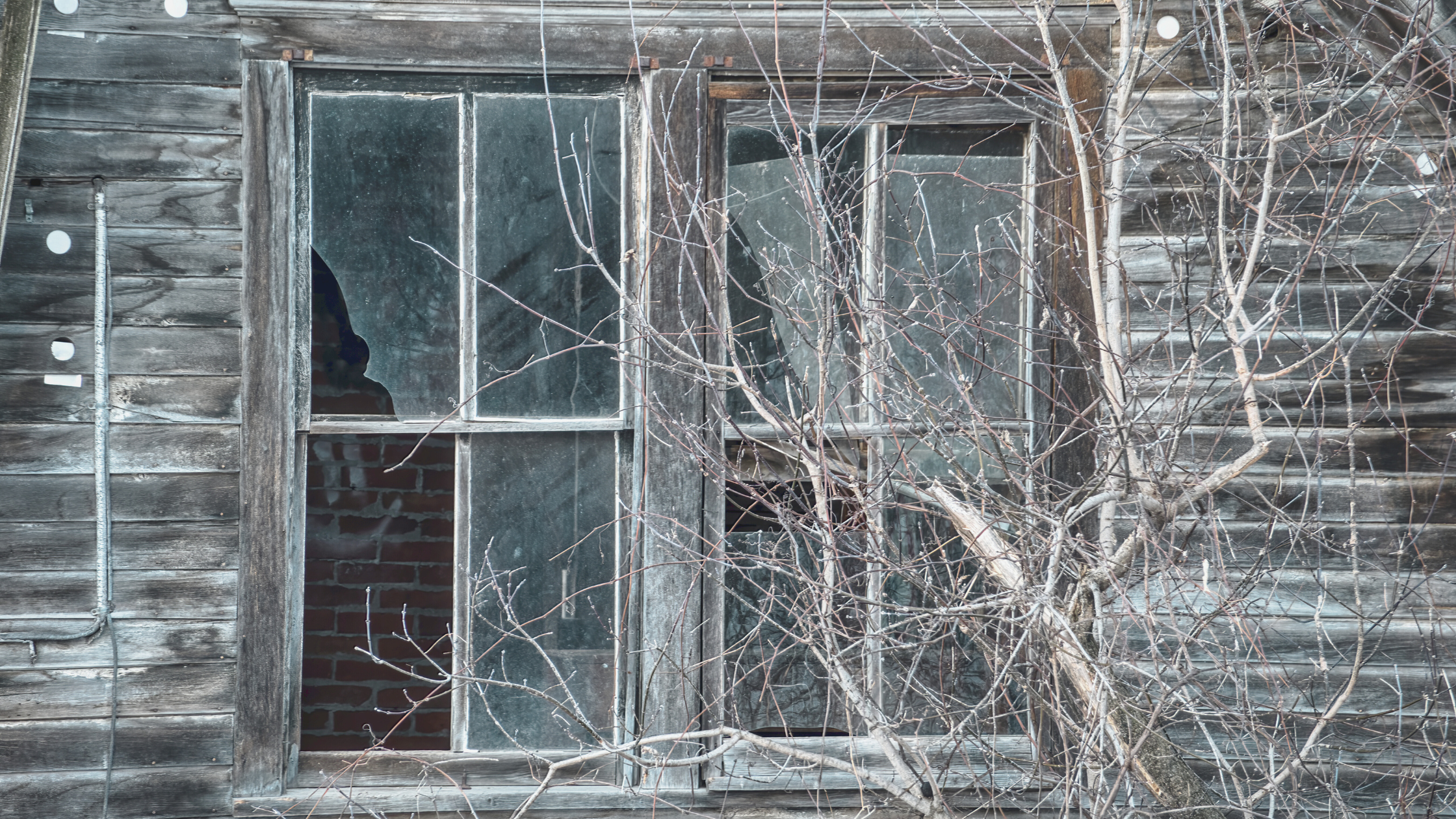
Exterior home repair is essential for protecting your property from weather damage, pests, wear and tear, and costly long-term structural issues. From fixing siding and roofs to handling outdoor faucet repair and cracks in walkways, staying on top of exterior house repair tasks helps keep your home looking great and functioning safely. Whether you’re a DIY homeowner or planning to hire a professional, this comprehensive guide gives you the knowledge you need to maintain every part of your home’s exterior.
Why Exterior Home Repair Matters
Exterior surfaces take the most abuse—from sun, wind, rain, and even pests. When left unchecked, small issues outside can turn into high-cost repairs inside your home.
Benefits of exterior home repair include:
- Preventing water damage
- Maintaining structural stability
- Improving curb appeal
- Boosting energy efficiency
- Extending the life of exterior materials
- Increasing home resale value
A well-maintained exterior reduces the chances of expensive indoor repairs later on.
Common Areas That Need Exterior House Repair
Maintaining the outside of your home requires routine checks. Here are the most common areas needing exterior house repair and outside home repair services:
1. Siding. Cracked, loose, or warped siding allows moisture and pests to enter your home’s structure.
2. Roof. Look for missing shingles, rusted metal sheets, or storm damage.
3. Gutters. Clogged gutters cause water overflow that damages siding, fascia boards, and foundations.
4. Windows and Doors. Damaged seals let in drafts, moisture, and insects.
5. Outdoor Faucets. Leaks around hose bibs are common and often require exterior faucet repair.
6. Driveways and Walkways. Cracks in concrete can worsen during rainy or hot weather.
7. Decks, Patios, and Railings. Wood rot and structural issues can make these areas unsafe.
8. Fencing. Loose or rotting posts need regular checks, especially after storms.
Step-by-Step Exterior Home Repair Guide
Below is a detailed walkthrough of the most important tasks in exterior home repair, from roofline to ground level.
1. Roof and Gutter Maintenance
Inspect Your Roof
Check for:
- Loose shingles
- Rusted metal panels
- Damaged ridge caps
- Debris buildup
- Storm damage
Addressing small issues early prevents leaks from spreading into your attic or walls.
Clean and Repair Gutters
Gutters play a crucial role in water drainage. To maintain them:
- Remove leaves and debris
- Repair cracks or holes
- Tighten loose brackets
- Ensure water flows freely
If downspouts are clogged, use a plumber’s snake or garden hose to clear them.
2. Siding and Exterior Walls
Your exterior walls are your home’s first defense against the elements.
Look for:
- Peeling paint
- Cracks in stucco
- Warped siding
- Mold or algae sections
- Gaps where pests can enter
How to Repair Siding Quickly
- Patch small holes with exterior sealant
- Replace damaged vinyl panels
- Repaint wood siding every 3–5 years
- Use a pressure washer with caution to avoid damaging siding
Routine siding repair helps maintain insulation and keeps moisture out.
3. Window and Door Repairs
Drafts, leaks, and worn seals around windows and doors can increase energy bills.
Check For:
- Gaps around frames
- Water stains
- Broken seals
- Warped wood
Fixing Exterior Window and Door Problems
- Reapply exterior caulking
- Replace worn weatherstripping
- Repair cracked trim
- Repaint or stain exposed wood
These simple repairs drastically improve your home’s comfort and efficiency.
4. Outdoor Faucet Repair and Exterior Faucet Repair
Outdoor faucets (also known as hose bibs) are one of the most overlooked exterior components. Ignoring leaks can lead to water waste, mold, and high utility bills.
Signs Your Outdoor Faucet Needs Repair
- Dripping water even when turned off
- Low pressure from hose connector
- Water pooling near the foundation
- Handle difficulty or corrosion
Basic Outdoor Faucet Repair Steps
- Turn off the water supply. Usually found inside the home or crawlspace.
- Remove the handle. Use a screwdriver to access the stem.
- Inspect the washer and O-rings. Most leaks come from worn rubber pieces.
- Replace faulty parts. These are inexpensive and easy to install.
- Reassemble and test. Turn the water back on and check for leaks.
For severe leaks or burst pipes, calling a plumber for exterior faucet repair is the safest option.
5. Exterior Foundation Repair
Your foundation supports your entire home. Even minor issues should not be ignored.
Signs of Foundation Issues
- Cracks in walls
- Gaps around windows and doors
- Uneven flooring inside the home
- Water pooling near the base of exterior walls
How to Maintain Your Foundation
- Seal visible cracks with masonry caulk
- Ensure proper drainage away from your home
- Keep gutters and downspouts functioning properly
Addressing foundation issues early prevents extensive structural repairs later.
6. Deck, Porch, and Patio Repairs
Outdoor living spaces also need regular maintenance.
Common Problems:
- Loose boards
- Rotting wood
- Rusty nails
- Cracked concrete
- Faded stain or paint
DIY Deck and Patio Repairs
- Tighten loose bolts and screws
- Remove and replace rotted boards
- Power-wash wooden decks
- Restain or repaint exposed surfaces
- Patch concrete cracks with masonry filler
These repairs keep your outdoor spaces safe and attractive.
7. Outside Home Repair for Landscaping and Drainage
Improper drainage is one of the biggest causes of exterior damage.
Things to Inspect
- Water pooling in the yard
- Soil erosion
- Clogged French drains
- Damaged retaining walls
How to Repair Drainage Issues
- Redirect downspouts away from the foundation
- Add gravel or drainage trenches
- Repair damaged landscape edging
- Regrade soil for proper slope
Good drainage reduces foundation stress and mold growth.
8. Exterior Painting and Surface Protection
Painting is both cosmetic and protective.
Benefits of repainting:
- Prevents water penetration
- Blocks UV damage
- Stops wood rot
- Enhances curb appeal
Painting Tips
- Pressure wash surfaces before painting
- Repair cracks and holes first
- Use exterior-grade primer
- Apply at least two coats of paint
Routine paint maintenance greatly extends the life of siding and trim.
9. Outdoor Home Repair for Driveways and Walkways
These surfaces are exposed to weather, vehicle weight, and soil movement.
Common Repairs Include:
- Filling cracks
- Resurfacing concrete
- Patching potholes
- Sealing asphalt
- Leveling uneven pavers
These tasks prevent tripping hazards and further structural deterioration.
10. Fencing and Gate Repairs
Outdoor fences face wind, moisture, rot, and rust.
Fixing Fence Problems
- Replace rotted posts
- Tighten loose panels
- Repaint or reseal wood
- Remove rust on metal fencing
- Fix leaning or sagging gates
Keeping your fence strong protects your privacy and enhances your yard’s appearance.
Preventive Maintenance for Exterior Home Repair
Follow these preventive steps to reduce the need for major repairs:
- Inspect your home’s exterior every 6 months
- Clean gutters quarterly
- Pressure wash once a year
- Seal decks every 2–3 years
- Repair small cracks immediately
- Check outdoor faucets regularly
- Keep vegetation trimmed away from walls
- Ensure proper drainage
Small routine maintenance tasks save you from expensive outside home repair projects later on.
When to DIY vs. Hire a Professional
DIY Exterior Home Repair Is Best For:
- Minor siding fixes
- Simple outdoor faucet repair
- Repainting
- Gutter cleaning and repairs
- Fence maintenance
- Patching small cracks
Hire a Professional For:
- Structural foundation issues
- Roof replacement
- Major exterior house repair
- Rotten framing beneath siding
- Large concrete repairs
- Electrical or plumbing issues involving buried lines
Professionals ensure safety and long-lasting results.
Exterior home repair plays a major role in protecting your home and keeping it functional, safe, and visually appealing. Whether you’re handling outdoor home repair projects like faucet leaks or tackling larger exterior house repair tasks such as siding, roofing, or concrete restoration, staying proactive is the best way to avoid expensive, stressful problems down the road.
By inspecting your home regularly, fixing damage early, and knowing when to call a professional, you can extend the life of your home’s exterior and maintain strong curb appeal for years to come.