
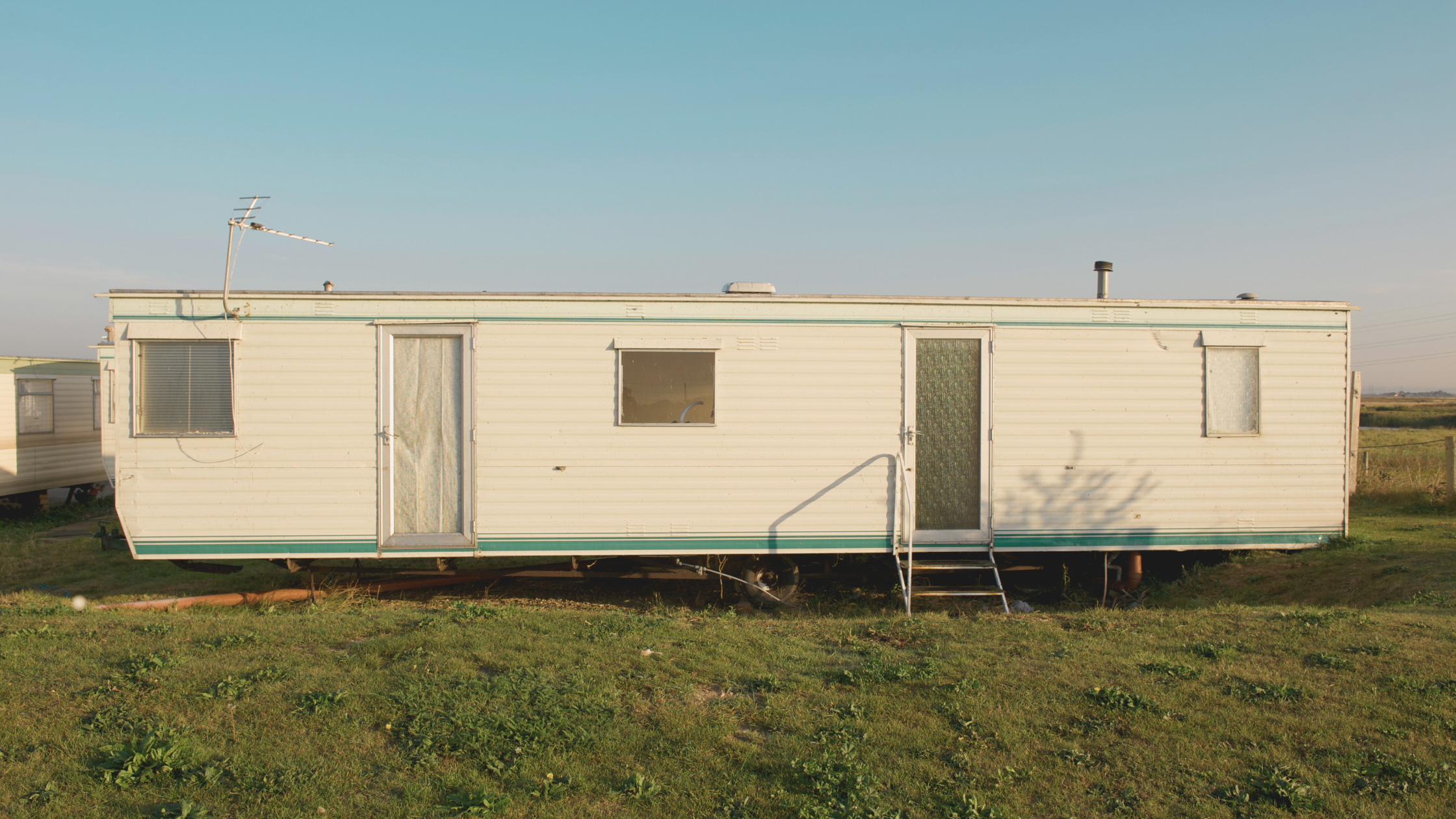
Mobile home repair is essential for keeping manufactured and trailer homes safe, efficient, and comfortable. Because mobile homes are built differently from site-built houses, repairs often require specialized knowledge—especially when it comes to roofs, foundations, floors, windows, and HVAC systems. Whether you’re managing minor wear-and-tear or planning major renovations, understanding the essentials of mobile home roof repair, mobile home foundation repair, mobile home floor repair, and more will help you protect your investment and avoid expensive long-term issues.
This guide walks you through the most important systems in your mobile home and how to repair, maintain, or replace them safely.
Why Mobile Home Repair Is Different
Mobile homes, manufactured homes, and trailer houses have unique characteristics:
- Lightweight materials
- Narrow floor joists and wall studs
- Specialized HVAC systems
- Different foundation and anchoring systems
- Roofing and flooring designed for mobility
- Unique window sizes and framing
Because of this, traditional repair methods don’t always work. Using the right materials and techniques ensures long-lasting results and helps your home meet safety standards.
Most Common Mobile Home Repairs
Here are the top areas where manufactured homes typically need maintenance, repair, or upgrades.
1. Mobile Home Roof Repair. The roof is one of the most important parts of your home. Because mobile homes often use metal roofing, rubber membranes, or lightweight shingles, they can be prone to leaks, punctures, and weather damage.
Signs You Need Roof Repair
- Brown ceiling stains
- Peeling or bubbling roof coating
- Visible sagging
- Rust or corrosion
- Persistent water leaks
- Missing or loose shingles
Mobile Home Roof Repair Options
- Patch rubber or membrane roofing
- Replace missing shingles
- Reseal metal roof seams and screws
- Apply elastomeric roof coating
- Install a metal roof-over system
If damage is widespread or the roof is older than 20–30 years, consider full replacement.
2. Mobile Home Foundation Repair
Your foundation determines the stability and safety of your home. Mobile homes usually sit on:
- Concrete piers
- Steel supports
- Blocks
- Crawlspaces
- Tie-downs and anchor systems
Signs You Need Mobile Home Foundation Repair
- Doors or windows won’t close properly
- Floors feel uneven or “soft”
- Cracks around door frames
- Skirting pulling away
- Home feels unlevel or shifting
How to Repair the Foundation
- Leveling the home (rebalancing piers)
- Resetting or replacing damaged blocks
- Installing new piers
- Reinforcing anchor straps
- Correcting sinking areas around the home
A professional should handle severe foundation issues for safety reasons.
3. Mobile Home Furnace Repair. Mobile homes use compact furnaces designed for tighter airflow requirements. These systems differ from standard residential units, so repairs require a specialized approach.
Common Furnace Problems
- No heat or low airflow
- Furnace turns off too quickly
- Strange noises
- Uneven heating
- Furnace not turning on
Mobile Home Furnace Repair Steps
- Replace furnace filters
- Clean burners and blower components
- Check thermostat wiring
- Inspect ducts for leaks
- Clear ventilation obstructions
If your system is older or failing often, consider a full mobile home furnace replacement, which can improve energy efficiency and comfort.
4. Mobile Home AC Repair. Mobile home AC systems can include packaged units, central air, or window units. Because ductwork is often smaller, airflow issues are common.
Signs You Need AC Repair
- Weak airflow
- Strange odors
- Warm air coming from vents
- Unit freezing up
- Higher electric bills
Mobile Home AC Repair Tips
- Clean or change the air filter
- Check ducts for blockages
- Clean the outdoor condenser unit
- Inspect thermostat settings
- Add refrigerant (requires a technician)
Regular maintenance extends the life of your AC system and prevents costly breakdowns.
5. Mobile Home Floor Repair. Because many mobile homes originally used particleboard subfloors, water damage is extremely common.
Signs Your Floor Needs Repair
- Soft or spongy spots
- Sagging sections
- Cracked or sinking linoleum
- Musty smell from beneath the floor
- Visible mold or water damage
How to Perform Mobile Home Floor Repair
- Remove carpet, laminate, or vinyl
- Cut out damaged subfloor sections
- Inspect and reinforce joists
- Install moisture-resistant plywood
- Replace the finished flooring
Upgrading particleboard to plywood greatly improves durability and reduces the chance of future damage.
6. Mobile Home Window Replacement
Mobile home windows are often smaller and built to different specs than house windows, so replacements must be correctly sized.
Reasons to Replace Mobile Home Windows
- Drafts or air leaks
- Moisture inside the panes
- Rotting frames
- Broken cranks or locks
- High energy costs
Window Replacement for Mobile Homes
You can choose from:
- Vinyl mobile home windows
- Aluminum frame windows
- Energy-efficient double-pane windows
- Storm windows
Mobile Home Window Replacement Cost
Costs vary based on:
- Window size
- Window type
- Frame material
- Labor costs in your region
- Whether structural repair is needed
Generally, replacing windows in older mobile homes is one of the best upgrades for comfort and efficiency.
7. Plumbing, Electrical, and Skirting Repairs. Mobile homes also require regular inspection and repair in these areas:
Plumbing
- Fix leaks under sinks
- Replace old PVC or polybutylene pipes
- Repair bathroom flooring damaged by water
Electrical
- Replace outlets and switches
- Upgrade outdated wiring
- Install modern light fixtures
Skirting
- Replace damaged panels
- Improve ventilation
- Prevent pest entry
These smaller systems play a big role in your home’s functionality and long-term health.
DIY vs Professional Mobile Home Repair
DIY Repairs Are Good For:
- Small roof patching
- Skirting replacement
- Subfloor repair (if knowledgeable)
- Basic plumbing fixes
- Window weatherstripping
Hire a Professional For:
- Full roof replacement
- Foundation repair or leveling
- Major electrical or HVAC issues
- Structural damage
- Furnace or AC replacement
- Water infiltration affecting large areas
Choosing the right approach keeps your home safe and your costs manageable.
Tips to Prevent Major Repairs
Preventive maintenance saves thousands in long-term repair costs.
- Inspect the roof twice a year
- Fix leaks immediately
- Keep gutters and drainage clear
- Replace worn seals around windows and doors
- Upgrade insulation
- Maintain furnace and AC annually
- Monitor foundation leveling
- Avoid heavy loads on floors
Small efforts today prevent major damage tomorrow.
Mobile home repair is essential for protecting your investment, maintaining safety, and ensuring year-round comfort. From mobile home roof repair to mobile home furnace repair, mobile home AC repair, and structural tasks like mobile home foundation repair or mobile home floor repair, knowing what to expect helps you make smarter decisions.
Understanding window replacement for mobile homes and realistic mobile home window replacement cost also helps you budget effectively. With proper maintenance and timely repairs, a mobile home can last for decades and remain a safe, efficient, and comfortable place to live.