
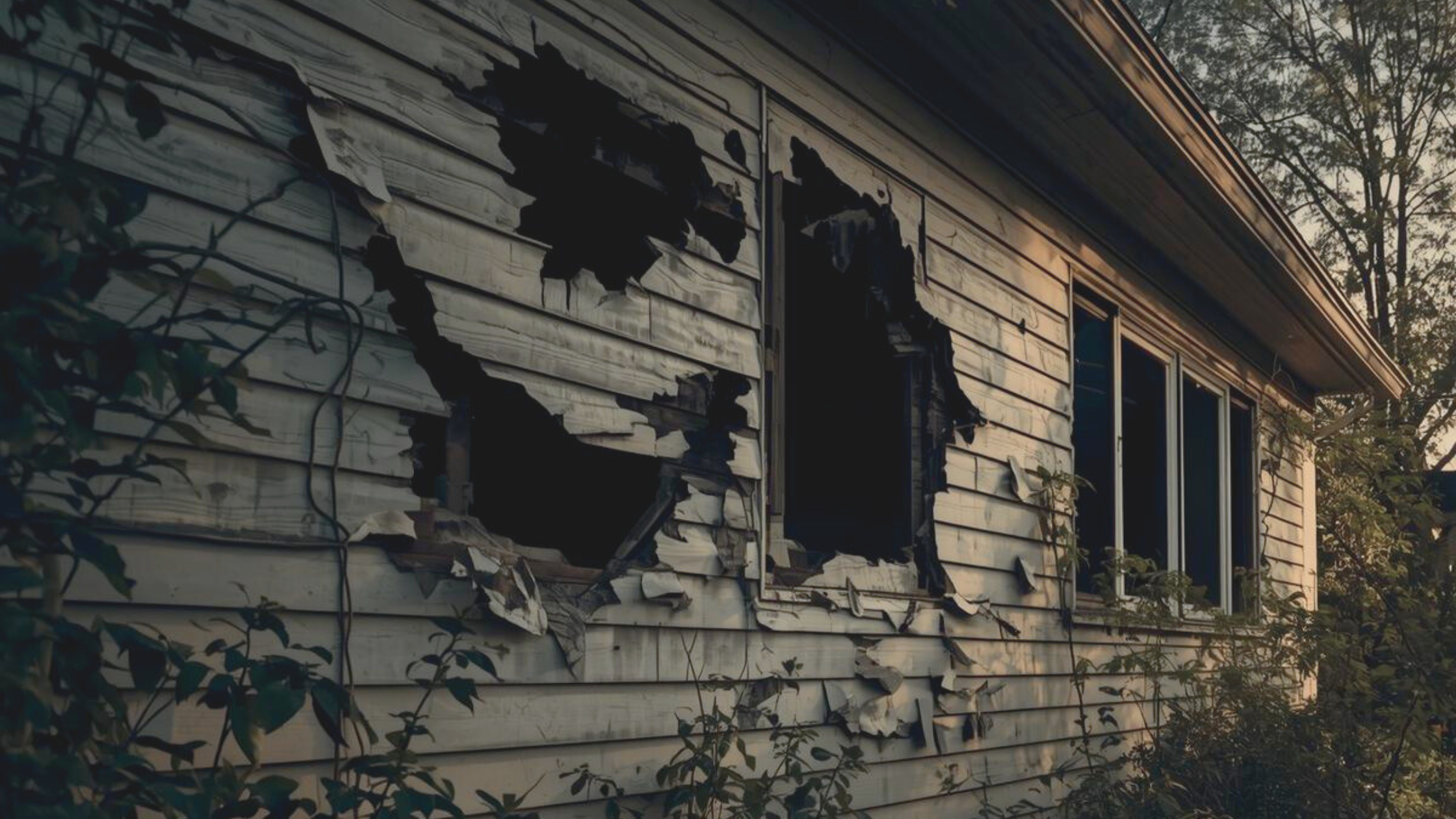
Home siding repair is one of the most important maintenance tasks a homeowner can do to protect their property from water damage, pests, and energy loss. Whether you’re dealing with a small crack, warped panels, or planning to replace siding on a house, knowing how to identify issues early can save you thousands of pesos in future repairs. This DIY guide covers everything you need—from tools to materials, cost estimates, and step-by-step instructions—to help you fix siding on a house confidently and correctly.
Why Home Siding Repair Matters
Damaged siding may look like a cosmetic issue, but the consequences can be serious:
- Moisture leaks leading to rot or mold
- Higher energy bills due to poor insulation
- Pest infestations
- Decreased home value
- Structural damage if moisture reaches framing
Regular inspection and timely repairs ensure the longevity and protection of your home.
Common Types of Siding and How Damage Happens
Different siding materials require specific repair approaches. The most common types include:
1. Vinyl Siding. Vinyl is popular due to its durability and affordability. However, it can:
- Crack under extreme heat
- Break from impact
- Warp from improper installation
2. Fiber Cement Siding. Strong but brittle—chips and cracks can occur.
3. Wood Siding. Vulnerable to rot, termites, and warping.
4. Metal Siding. May dent or rust over time.
Signs You Need Home Siding Repair
Look out for these indicators:
- Cracked, chipped, or loose panels
- Bubbling or blistering
- Mold, mildew, or water stains
- Gaps between panels
- Soft or rotting areas
- Higher-than-usual energy bills
- Faded or peeling paint
If you notice several of these issues and you’re unsure how to proceed, you can search “home siding repair near me” to get a professional inspection.
Tools & Materials You’ll Need
Before starting your home siding repair, gather the following:
Basic Tools:
- Pry bar
- Hammer
- Utility knife
- Tin snips (for vinyl siding repair)
- Measuring tape
- Caulk gun
- Level
Materials:
- Replacement siding panels
- Nails or screws
- Exterior-grade caulk
- Flashing (if needed)
- Paint or stain (for wood siding)
How to Fix Siding on a House (Step-by-Step Guide)
Step 1: Inspect the Damage
Document all problem spots. Determine whether you need:
- Minor patching
- Replacing a single panel
- Whole-house siding replacement
If multiple areas show deterioration, the average cost to replace siding might be more practical than small repairs.
Step 2: Remove Damaged Siding
For vinyl siding:
- Use a siding removal tool or zip tool to unlock the panel.
- Gently lift and slide the damaged piece out.
- Remove nails holding the panel in place.
For wood siding:
- Pry off damaged boards carefully to avoid breaking the surrounding area.
Step 3: Prepare the Area
Check the underlying wall for:
- Moisture damage
- Rotting wood
- Insect problems
Repair any hidden damage before installing new siding. Installing new panels on top of mold or rot leads to bigger issues later.
Step 4: Install the New Siding
Vinyl
- Cut the new panel to the required length using tin snips.
- Align it with existing panels.
- Nail loosely to allow expansion.
- Lock the top edge using the zip tool.
Wood
- Cut a new board to size.
- Prime and paint before installation.
- Nail into the wall studs.
- Seal edges with exterior caulk.
Step 5: Seal and Finish
To ensure long-lasting protection:
- Apply caulk to gaps
- Paint or stain wood siding
- Check alignment and panel locking
This step is crucial for preventing water intrusion.
Vinyl Siding Repair: When DIY Works and When It Doesn’t
You can handle small cracks, isolated panel replacements, or loose siding on your own. But for issues like:
- Widespread warping
- Structural water damage
- Pest-related deterioration
- Large sections needing removal
…it’s better to call a professional. Search “home siding repair near me” to find trusted contractors in your area.
Siding Replacement Cost: What to Expect
Homeowners often ask about the siding replacement cost before deciding to repair or replace.
Average Cost to Replace Siding
Costs vary depending on material, labor, and home size. Here are general ranges:
- Vinyl siding: Most affordable
- Wood siding: Moderate cost
- Fiber cement: Higher but more durable
- Metal siding: Mid to high cost
The house siding replacement cost depends on square footage, complexity, and disposal fees.
Breakdown of Typical Costs
1. Materials
- Vinyl: Lowest cost
- Wood: Moderate to high
- Fiber Cement: Higher upfront, long lifespan
2. Labor
Expect to pay more for:
- Multi-story homes
- Complex architectural designs
- Old siding removal
3. Extras
- Insulation upgrades
- Moisture barriers
- Painting for wood siding
Because the average cost to replace siding can be substantial, many homeowners choose to repair small areas first and plan full replacement later.
House Siding Repair vs. Full Replacement
Should you repair or replace?
Repair Is Best For:
- Small cracks
- A few damaged panels
- Recent impact damage
- Localized water issues
Full Replacement Is Best For:
- Old siding past its lifespan
- Severe rot or mold
- Pest infestation
- Multiple panels failing
- Major home renovation
If you’re unsure, get a quote for the house siding replacement cost so you can compare both options accurately.
Maintenance Tips to Prevent Future Siding Damage
Follow these practices to extend your siding’s lifespan:
- Inspect siding every 6 months
- Clean exterior walls once a year
- Trim plants and trees away from walls
- Repaint wood siding every 3–5 years
- Fix cracks or gaps immediately
- Keep gutters clear to prevent water overflow
- Ensure proper caulking around windows and doors
Regular maintenance reduces your long-term home siding repair expenses.
When to Call a Professional
DIY is great for minor issues, but call an expert if:
- Damage covers more than 20% of your siding
- You see mold, rot, or structural deterioration
- Your home has multi-story siding
- You plan to replace siding on a house entirely
- You want accurate siding replacement cost estimates
Professionals ensure proper sealing, alignment, and long-lasting results.
Home siding repair doesn’t have to be overwhelming. With the right tools, materials, and guidance, homeowners can confidently fix minor siding problems and prevent future damage. Whether you’re working on small cosmetic issues or preparing for a larger project, understanding the average cost to replace siding and how to fix siding on a house gives you more control over your home’s maintenance.If your siding damage is severe or widespread, consider getting professional quotes for house siding repair or full replacement. A well-maintained home exterior protects your investment and boosts curb appeal for years to come.