
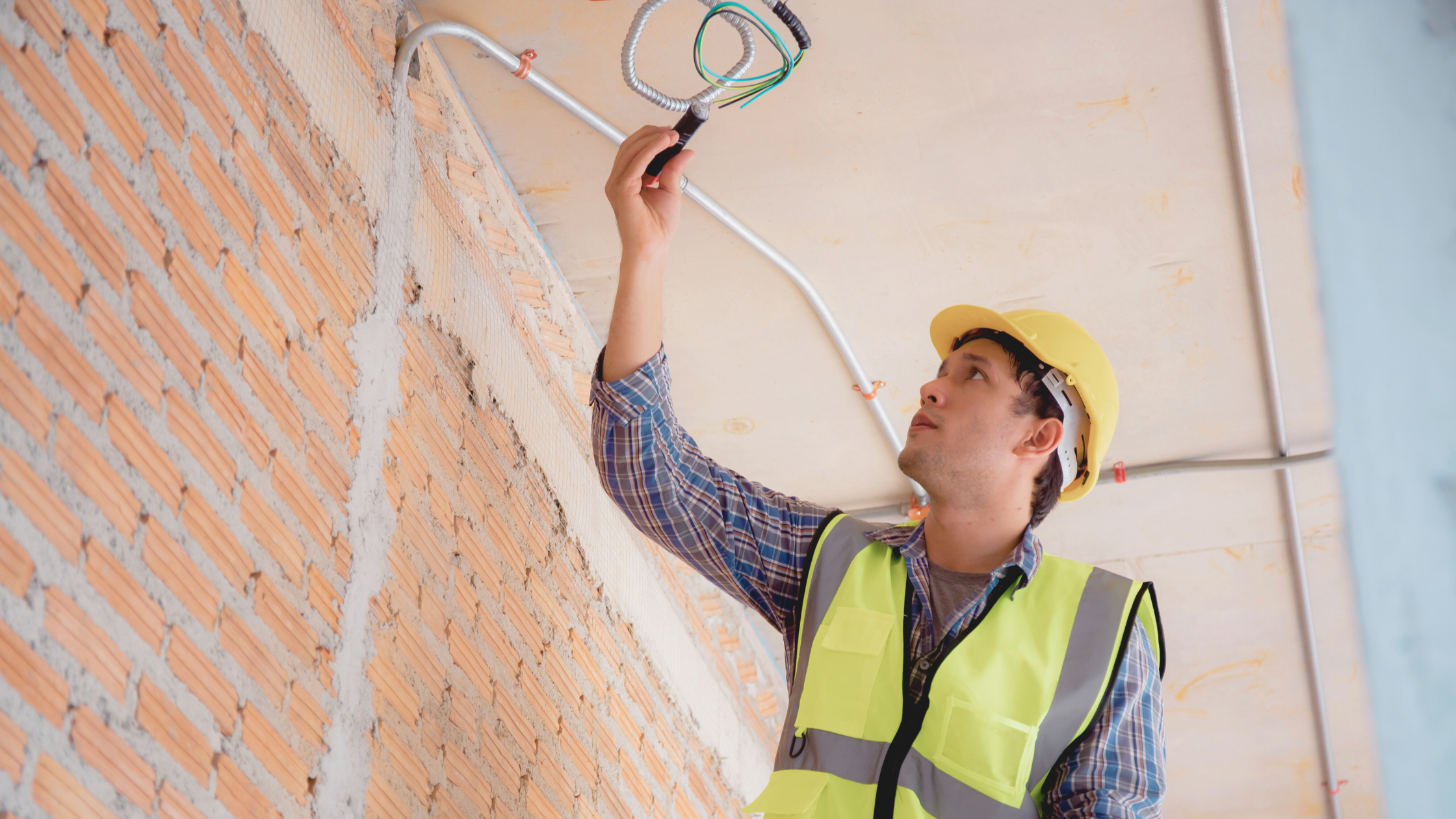
Home electrical repair is one of the most important—and risky—parts of maintaining your property. While some minor tasks can be safely handled by homeowners, electrical systems require respect, knowledge, and caution. Whether you’re troubleshooting flickering lights, replacing outlets, or evaluating when to call home electrical repair services, this comprehensive guide explains everything you need to know. It also covers electrical repairs for home, house electrical repair, and even when a mobile home electrician is necessary for manufactured homes.
Electrical issues can cause fires, shocks, equipment damage, or major hazards if handled incorrectly. Understanding the basics helps protect your home, family, and electrical system.
Why Home Electrical Repair Matters
Electrical systems power nearly everything in your home—lights, appliances, outlets, HVAC systems, and more. Proper repair and maintenance help:
- Prevent electrical fires
- Reduce the risk of electrocution
- Improve energy efficiency
- Extend the life of appliances
- Maintain comfort and functionality
- Ensure code compliance
- Keep your home safe
Ignoring electrical issues, even small ones, often leads to expensive or dangerous problems down the line.
Warning:
Electricity is dangerous. Only attempt DIY repairs you are 100% confident in. For anything involving wiring, breaker panels, or unclear hazards, call an electrical home repair service immediately.
Common Signs You Need Home Electrical Repair
Before jumping into solutions, identify what’s happening in your electrical system:
1. Flickering or Dimming Lights. This can indicate overloaded circuits, loose wiring, or failing fixtures.
2. Frequent Breaker Trips. Breakers trip when circuits overload or wires short-circuit.
3. Dead Outlets. A dead outlet usually comes from a tripped GFCI, loose wiring, or internal outlet failure.
4. Burning Smell or Warm Outlets. This is a serious fire hazard. Turn off power immediately.
5. Sparking Outlets. Should be handled by a professional electrician.
6. Buzzing Sounds. Electrical systems should be silent. Buzzing can signal faulty wiring or arcing.
7. High Energy Bills. Faulty wiring or appliances can drain electricity.
8. Shock When Touching a Switch or Appliance. Even mild shocks mean grounding or wiring issues.
If any of these occur repeatedly, contact an electrical home repair service for a full inspection.
Basic Home Electrical Repair Tasks You Can Do Safely
⚡ Important: Always turn off the power at the breaker before working on any electrical component.
Here are some safe DIY tasks for homeowners:
1. Replacing Light Bulbs
Switching bulbs is the simplest form of house electrical repair.
- Allow bulbs to cool before touching
- Use correct wattage
- Consider energy-saving LED bulbs
2. Resetting GFCI Outlets
These outlets are required in bathrooms, kitchens, garages, and outdoor areas. How to Reset:
- Find the tripped GFCI outlet
- Press RESET
- Check if power returns
If it continues tripping, hire home electrical repair services.
3. Replacing Light Switch Plates and Outlet Covers
Purely cosmetic, no electrical knowledge needed.
- Turn off power
- Unscrew cover
- Replace with new one
4. Installing Light Fixtures (Simple Ones)
Homeowners can usually install basic lighting fixtures. Steps:
- Cut breaker power
- Match wires (white to white, black to black, ground to ground)
- Secure with wire nuts
- Attach fixture
If you see damaged wires or outdated aluminum wiring, stop and call a professional.
Intermediate Electrical Repairs for Home (For Experienced DIYers Only)
Below are tasks that require more confidence and safety awareness.
1. Replacing Outlets. Loose or dead outlets often need replacement. Steps:
- Turn off breaker
- Remove outlet cover
- Unscrew outlet
- Transfer wires to new outlet
- Tighten screws and install
If wires look burnt or melted, call an electrician.
2. Replacing a Light Switch. Faulty switches may click, spark, or fail to turn on lights. Steps:
- Identify common, traveler, or ground wires
- Replace switch exactly as wired
- Label wires if unsure
3. Installing a New Thermostat. Many smart thermostats require low-voltage wiring, which homeowners can handle carefully.
When You Must Call a Professional Electrician
Some tasks are too risky or require permits and code compliance.
Call a house electrical repair expert if:
- Breakers trip frequently
- You see burn marks near outlets
- Wiring is aluminum or cloth-covered
- You smell burning plastic
- Lights dim when appliances turn on
- You need new circuits installed
- Panels need upgrading
- Your home has buzzing outlets
- You experience repeated shocks
- You have no experience handling wires
Professionals ensure safety, correct repairs, and code compliance.
Home Electrical Repair Services: What They Typically Handle
Professional electricians can fix issues far beyond DIY level, including:
- Circuit breaker installation or replacement
- Rewiring damaged or outdated wires
- Electrical panel upgrades
- Installing whole-home surge protection
- Heavy appliance wiring (ovens, dryers, HVAC)
- Smart system installation
- Outdoor electrical installations
- Lightning strike damage
- Electrical inspections for home sales
Hiring home electrical repair services ensures long-term safety.
Mobile Home Electrician: Why Manufactured Homes Need Specialized Repair
Mobile homes use different building standards than site-built homes. A mobile home electrician is trained to work with:
- Aluminum wiring common in older mobile homes
- Narrow walls and limited wire routing
- Factory-built electrical systems
- Undercarriage wiring
- Smaller breaker panels
- Unique grounding requirements
Electrical issues in mobile homes should be handled carefully because incorrect repairs can easily cause fire hazards.
Electrical Repairs for Home: Cost Factors
Costs vary depending on severity, labor region, and materials.
Low-Cost Repairs
- Outlet or switch replacement
- Light fixture installation
- GFCI outlet reset
- Loose wire tightening
Moderate Repairs
- Rewiring small sections
- Installing dedicated circuits
- Fixing breaker issues
- Replacing damaged wiring
High-Cost Repairs
- Full home rewiring
- Electrical panel replacement
- Storm or fire damage repairs
- Major code compliance upgrades
Getting quotes from multiple electrical home repair service providers can help you find the best balance of price and quality.
Safety Tips for Home Electrical Repair
Always follow safety rules:
- Turn off power at the breaker
- Use a voltage tester
- Never touch wet outlets
- Do not overload circuits
- Avoid DIY on major electrical systems
- Keep children away from work areas
- Do not use metal ladders near electricity
- Never splice wires without junction boxes
Electrical safety is non-negotiable—you’re protecting your life and home.
Preventive Electrical Maintenance
Avoid future problems by:
- Inspecting outlets annually
- Checking for warm breaker switches
- Avoiding daisy-chained power strips
- Replacing frayed appliance cords
- Scheduling professional inspections every 3–5 years
- Testing GFCI outlets regularly
- Keeping outdoor wiring weather-sealed
Proper care reduces long-term repair costs and hazards.
Home electrical repair is essential for maintaining a safe, functional home. While some minor tasks are easy for homeowners to handle, many issues require the skill and training of licensed professionals. Whether you’re doing basic electrical repairs for home, evaluating house electrical repair needs, or requiring expert help from a mobile home electrician, always prioritize safety.
Understanding what you can fix—and when to call home electrical repair services—helps protect your home, prevent fires, and ensure your electrical system runs efficiently for years to come.