
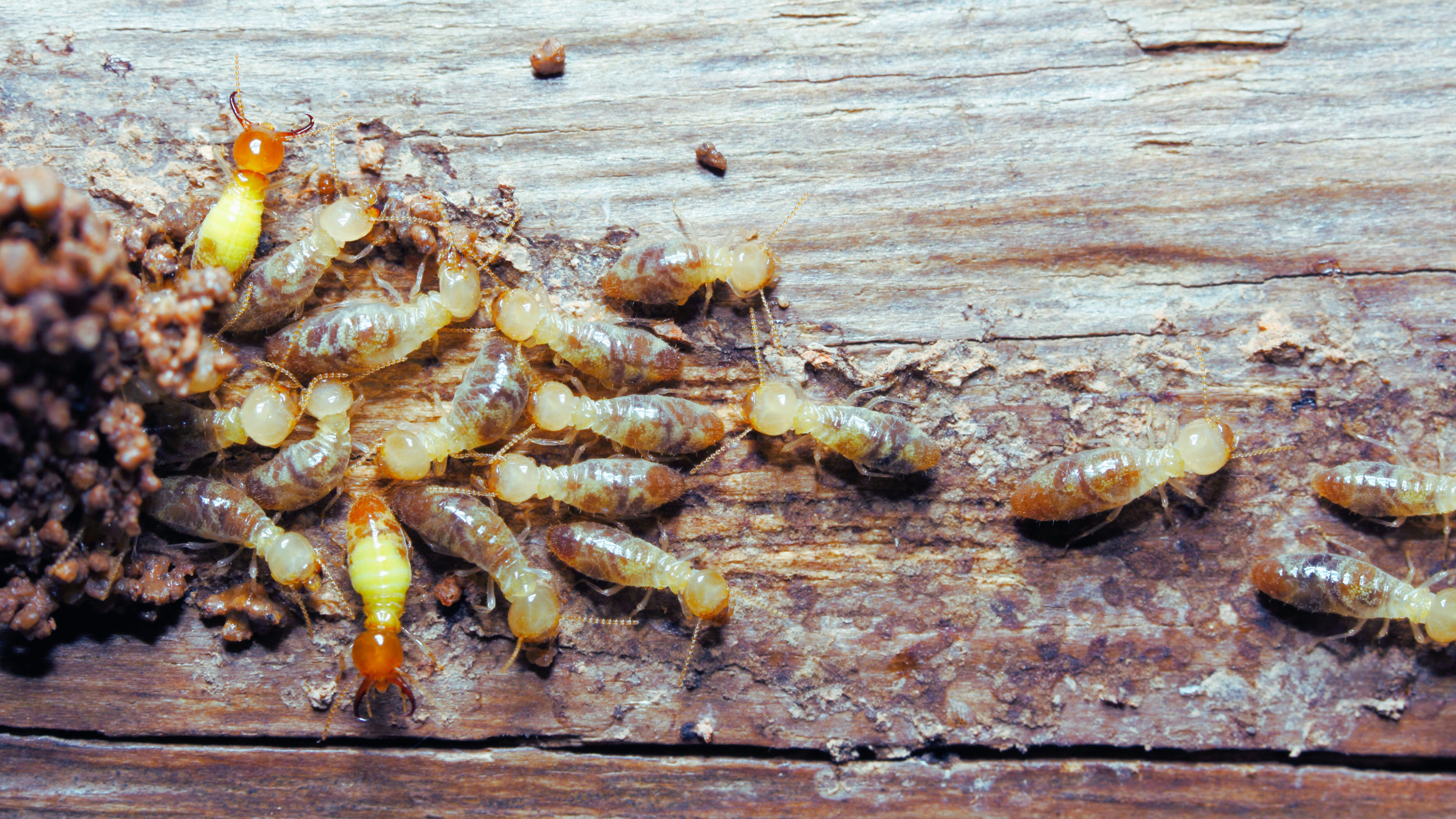
Termite damage repair is one of the most important tasks a homeowner may face, especially if termites have already caused structural weakening, wood deterioration, or visible destruction around your home. Termites can silently eat through framing, subfloors, drywall, window sills, and even furniture—often without obvious signs until major repairs are needed. Addressing the problem quickly prevents further termite damage to a house and helps you restore safety and stability.
This complete guide covers everything from identifying damage and fixing termite damage to understanding termite damage repair cost, choosing repair methods, and preventing future infestations.
Understanding Termite Damage
Termites feed on cellulose, the organic material found in wood. Over time, they can compromise:
- Floor joists
- Wall studs
- Roof beams
- Baseboards
- Subflooring
- Window and door frames
- Drywall paper backing
Because termite activity often begins inside walls or under flooring, damage may go unnoticed until it becomes severe.
Signs of Termite Damage in a Home
Look for these warning signs before planning termite repair:
1. Hollow-Sounding Wood. Tap wooden surfaces—if they sound empty or light, termites may have eaten the inside.
2. Crumbling or Buckling Wood. Wood that breaks easily or caves in indicates significant damage.
3. Mud Tubes. These pencil-sized tunnels are used by subterranean termites for moisture protection.
4. Small Holes in Walls or Drywall. Termites sometimes exit through tiny pinholes.
5. Bubbling or Peeling Paint. Often mistaken for water damage, this may signal termite activity behind the wall.
6. Droppings or Frass. Drywood termites leave pellet-like droppings.
7. Sagging Floors or Doors. Weakening joists or frames cause misalignment.
If you notice multiple signs, it’s important to inspect thoroughly before starting termite damage repair.
Types of Termite Damage
Termites create several kinds of destruction that require different repair approaches.
1. Structural Damage. This includes joists, studs, beams, and other load-bearing components. Repairs may involve:
- Reinforcing beams
- Replacing structural wood
- Adding steel or metal bracing
This is usually the most expensive type of damage and heavily affects fixing termite damage cost.
2. Cosmetic Damage. Termites may chew through:
- Trim
- Baseboards
- Drywall
- Door frames
- Window sills
These areas are easier and cheaper to repair.
3. Flooring Damage. Subfloor termite damage can cause:
- Squeaky floors
- Soft spots
- Sagging sections
Repairs may include replacing:
- Subflooring
- Joists
- Floorboards
DIY Termite Damage Repair: What You Can Do
Some termite repairs are manageable without professional help, especially if the damage is superficial.
1. Patching Minor Wood Damage. If the wood is not structurally important, use these materials:
- Wood hardener
- Wood filler or epoxy
- Putty knife
- Sandpaper
- Paint or sealant
Steps
- Remove loose or damaged wood.
- Apply wood hardener to strengthen the area.
- Fill with epoxy or wood filler.
- Sand smooth.
- Repaint or seal to match the surface.
Great for repairing:
- Window frames
- Baseboards
- Furniture
2. Replacing Small Trim Sections. If trim or molding has moderate termite damage:
- Remove damaged sections.
- Cut and install new trim.
- Seal gaps with caulk.
- Repaint or stain.
3. Patching Drywall Damage. Termites often leave small holes or paper damage.
- Cut out damaged section
- Fit a new drywall patch
- Apply joint compound
- Sand and repaint
DIY drywall repair dramatically improves appearance.
When DIY Is NOT Enough
You should hire a professional when:
- Structural beams are damaged
- Floors are sagging
- Subfloor feels soft
- Exterior walls show buckling
- Multiple areas are affected
- Termite colony is still active
Structural damage always requires expert inspection and repair, or else the home’s stability may be at risk.
Foundation & Structural Termite Damage Repair
If termites compromise the home’s foundation beams or framing, restoration is far more involved.
Common Professional Repair Methods
- Sistering beams (attaching new wood to damaged sections)
- Replacing entire studs or joists
- Installing steel supports or brackets
- Reinforcing subfloor structures
This is where termite damage repair cost can significantly increase.
Fixing Termite Damage Cost Breakdown
Costs vary based on the severity of the infestation and the repairs needed.
Factors That Affect Cost
- Type of termite species
- Extent of the damage
- Location of damaged wood
- Structural vs non-structural repairs
- Materials needed
- Labor rates in your area
Below is a general guide:
Common Price Ranges
- Minor cosmetic repairs: affordable
- Moderate wood replacement: moderate cost
- Subfloor or floor joist repair: higher
- Load-bearing beam replacement: highest
- Entire room reconstruction: very high
Take note: these costs may not include termite extermination, which is often required before termite repair begins.
Termite Damage Repair Cost vs Fixing Termite Damage Cost: What’s the Difference?
While related, these terms refer to different stages:
- Termite damage repair cost usually refers to repairing or replacing damaged materials after termites are gone.
- Fixing termite damage cost may include repairing wood plus treating the infestation to prevent future problems.
Understanding the difference helps you plan your full restoration budget.
Termite Treatment Before Repair
Never begin repairs until the termites are eliminated, or new repairs will be damaged again.
Common treatment methods:
1. Chemical Soil Treatment. Creates a barrier around your home.
2. Bait Systems. Attract and kill termite colonies.
3. Fumigation. Used for severe drywood termite infestations.
4. Bora-Care Treatment. Applied directly to wood for long-term protection.
Once the colony is eliminated, termite repair can begin safely.
Concrete, Brick, or Foundation Damage from Termites
While termites primarily attack wood, moisture buildup and tunneling can cause indirect damage to:
- Concrete foundations
- Brick walls
- Crawl spaces
Signs include:
- Crumbling mortar
- Foundation cracks
- Raised or sunken floors
- Warping walls
These situations require professional termite damage to house evaluation and repair.
Preventing Future Termite Damage
Prevention is always cheaper than repair.
Tips to Reduce Risk
- Reduce moisture around foundation
- Fix leaks quickly
- Seal gaps and cracks
- Store firewood away from home
- Schedule annual termite inspections
- Maintain proper lawn grading
- Keep plants away from siding
Routine monitoring dramatically reduces the likelihood of future termite infestations.
Termite damage repair is an essential part of maintaining a safe and structurally sound home. Whether you’re dealing with cosmetic wood damage or major structural compromises, understanding your options, costs, and repair methods helps you make smart decisions. From estimating termite damage repair cost to performing small DIY fixes or hiring professionals for structural restoration, addressing termite damage promptly protects your home and prevents long-term issues.
Fixing termite damage early is always easier—and cheaper—than repairing advanced deterioration. With the right prevention strategies, you can keep your home safe from future infestations and preserve its long-term value.